
Advertisement
Nordic Walking Hub
Find walking companions
Menu

Author: Hudrator

  • Do you sleep better after a walk? A review of walking and sleep

    People who walk supposedly sleep better. It sounds like grandmother’s wisdom, but it can be checked. And someone did check it: a fresh meta-analysis from 2026 pooled 21 randomised trials with 1,707 people and looked at what regular walking does to the quality of sleep. The answer is interesting, and above all useful for those who sleep badly.
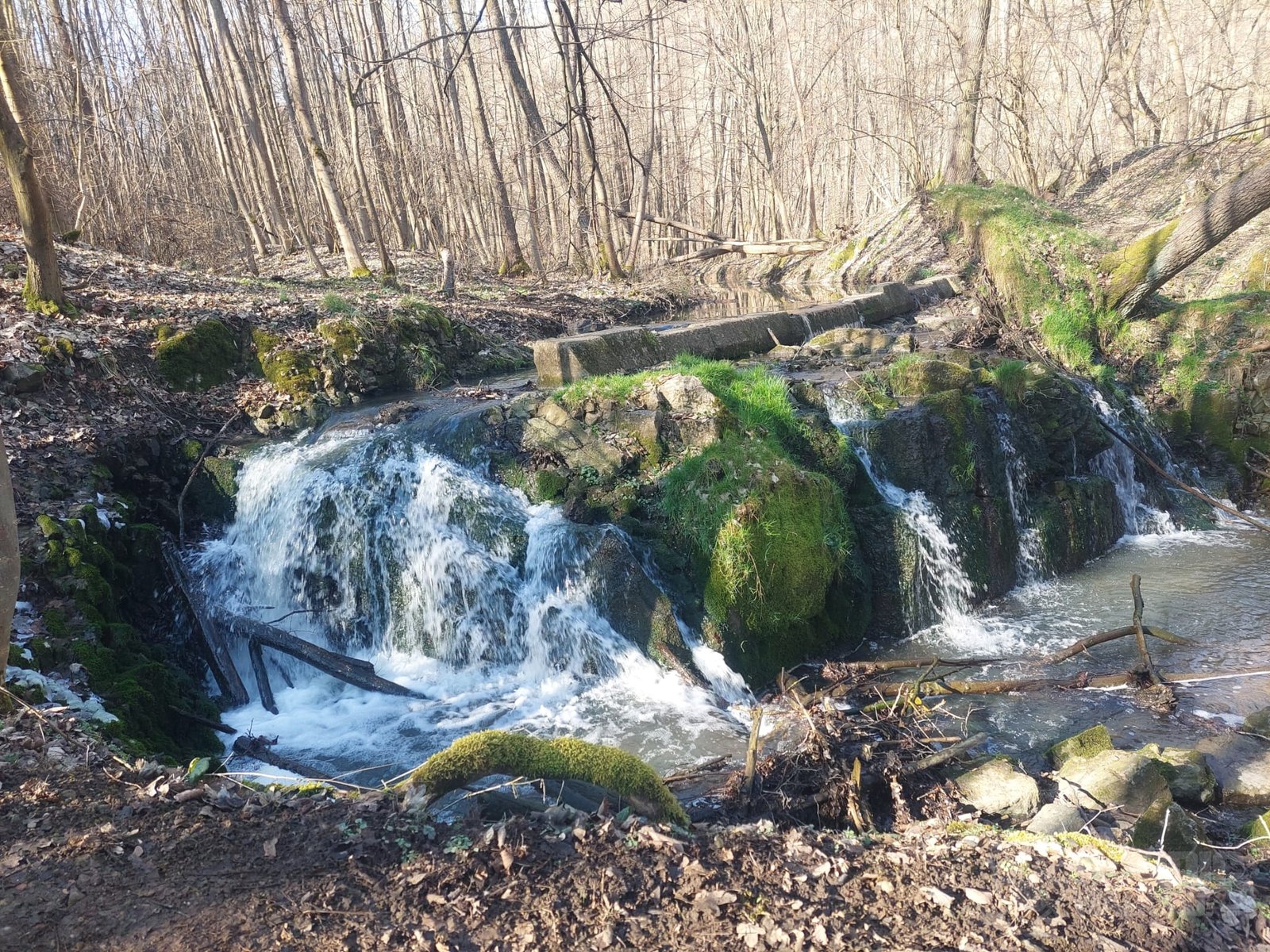
    Photo from the trail

    What the review did

    The authors searched four large databases from their beginnings to March 2026 and chose only randomised trials in which walking was compared with an inactive group or with non-aerobic exercise. They pooled 21 trials with 1,707 participants and 66 measured effects. They used more advanced statistics, so-called Bayesian, which can cope with one study contributing several measured results at once.

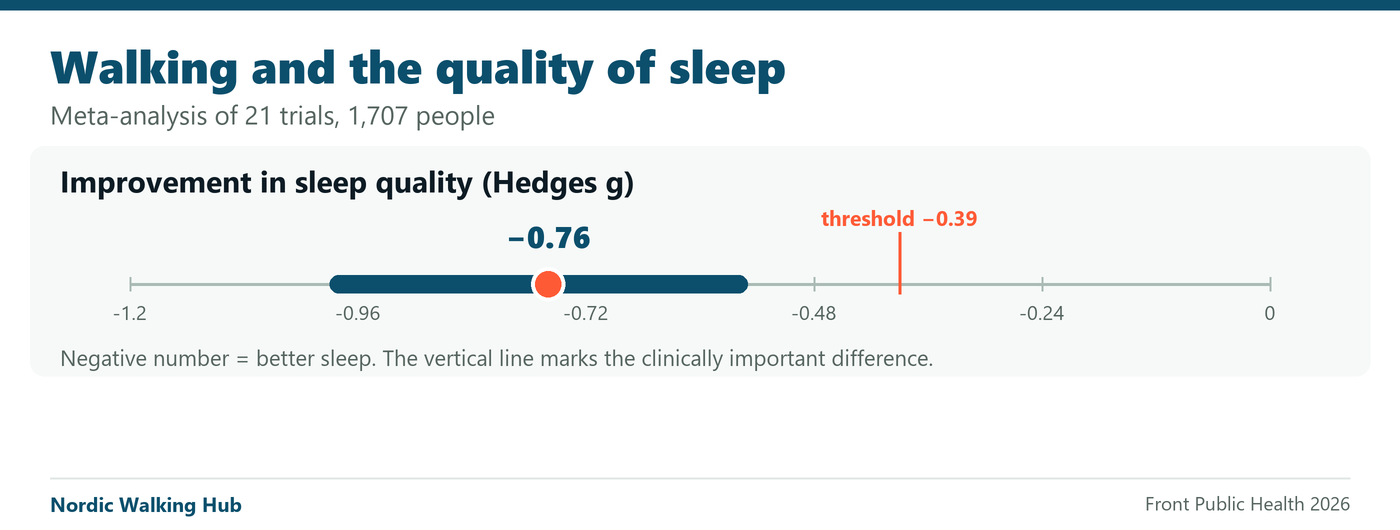
    Sleep was measured subjectively, that is by how people rate it themselves in a questionnaire. The most common is the Pittsburgh Sleep Quality Index, where a lower number means better sleep. That is why there is a minus sign in the numbers: it means improvement.

    What the review found

    Walking improved subjective sleep quality, with a medium to large effect. Hedges’ g came out at −0.76 with an interval of −0.99 to −0.55. For comparison: the authors had decided in advance that they would consider g from −0.39 clinically important. The measured result clearly exceeded it and the probability that the true effect is at least this large came out at 99.97%.

    And there is one more interesting thing: the worse the sleep was at the start, the more walking helped. Those who slept badly gained the most. On the other hand, whether people walked under supervision or alone, and where they walked, made no noticeable difference to the result. In other words: you do not need a coach or a special environment, it is enough to walk.
    Chart
    Photo from the trail

    How much and how often

    The authors suggest as a realistic dose moderate-intensity walking three to five times a week for 30 to 60 minutes over 12 to 24 weeks. That is not little: it is at least three months. So do not expect a miracle after one walk. It is more like fitness, it comes with time.

    Moderate intensity means a pace at which you can still talk but can no longer sing. If you cannot judge it, the talk test will help.

    How to read it

    The review is about walking in general, not Nordic Walking, and about sleep as people rate it in questionnaires, not measured with instruments. The authors themselves rate the certainty of the evidence as very low and want further studies with objective sleep measurement. So take the numbers as a good hint, not as a promise. It is encouraging, though, that the hint is so strong and that it recurs across studies.

    How to try it

    Start with three walks a week of 30 minutes and add more after a month. Write down in a calendar how you slept, even just one word in the morning: well, badly, so-so. After twelve weeks you will see whether anything has changed, and you will not have to rely on a feeling.

    Regularity is more important than length. Rather half an hour three times a week than two hours once. And whether you walk in the evening or the morning, try both: the studies do not distinguish, so choose what suits you.

    What it means

    Regular walking at a comfortable pace is worth a try, especially if you sleep badly. You can take poles along if they give you joy, but the study did not measure that and we will not pretend it did. And if it does not help, no harm done. At least you got some fresh air and a walk, and that is worth it in itself.

    Is an evening walk, after which you fall into bed, better for you? Or a morning one? Tell us in the forum when you walk best and how you sleep afterwards.

    Frequently asked questions

    **Should I walk in the evening or the morning?** The studies do not distinguish, so choose what suits you. For some people an evening walk helps because they fall asleep more easily afterwards, others on the contrary get a second wind. Try both and write down in a calendar how you slept.

    **Does it have to be with poles?** The review is about walking in general. Poles are not a condition, but they can be a motivation to head out, and over twelve weeks that is what matters most.

    **What if I sleep well?** Then you probably gain little, because the biggest effect of walking was in people who slept badly. Healthy sleep is a rare gift, and walking will not spoil it.

    **How long should I wait for a result?** The authors suggest 12 to 24 weeks. So do not expect a miracle after a week. If after three months you see no difference, at least you know you gave it an honest try.
    Photo from the trail

    Text: Kompas.

  • Weight and waist: what Nordic Walking really changes (and what it does not)

    Whoever starts walking with poles often hopes to lose weight. That is natural: exercise must burn something. What do the studies say? The answer is sober but encouraging, because something other than you expected also shows up, in weight and waist, in blood pressure and in blood fats.

    Photo from the trail

    In brief

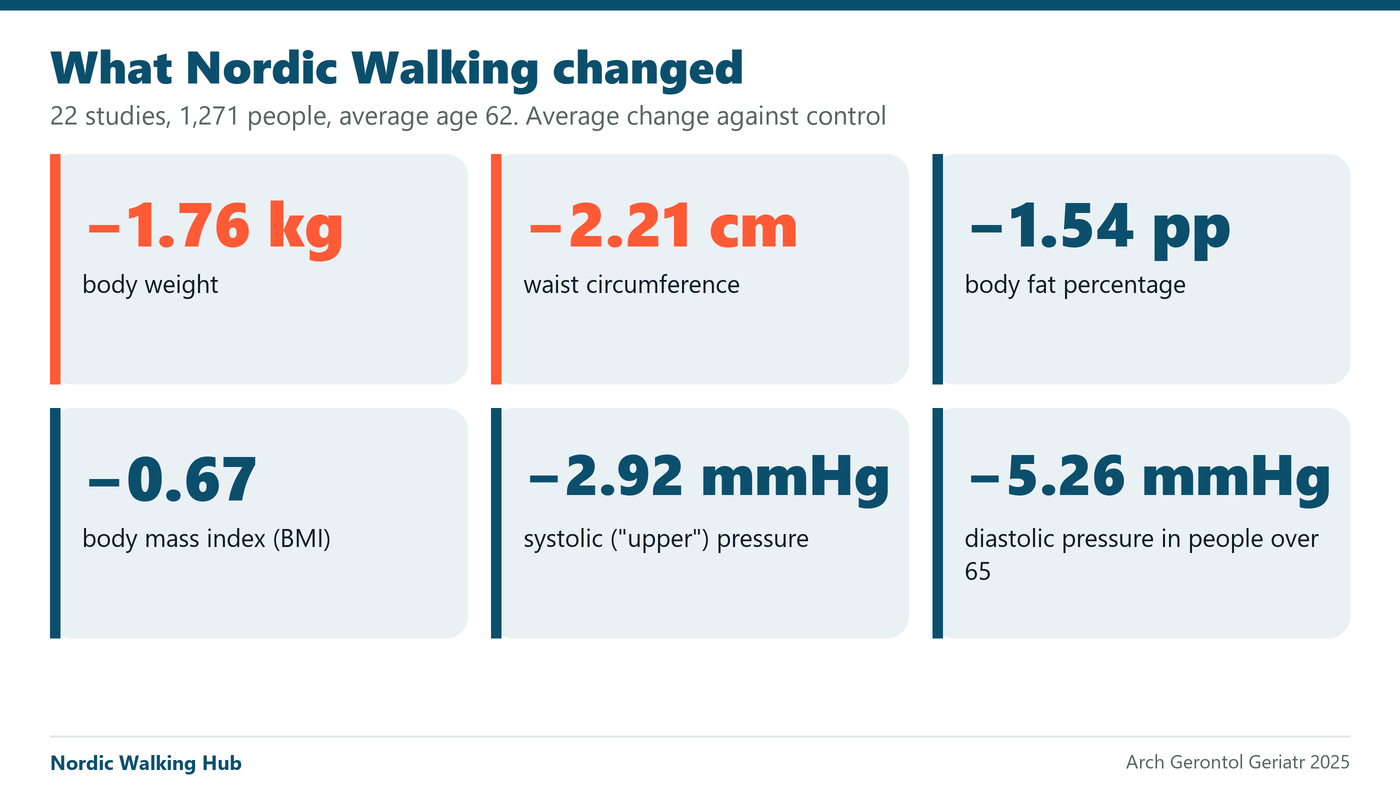
    • Meta-analysis of 22 studies, 1,271 people, average age 62.
    • Nordic Walking reduced weight by 1.76 kg, waist by 2.21 cm and body fat by 1.54 percentage points, and improved fitness and blood pressure.
    • With poles a person works harder without it feeling harder, and sticks with it: 91% of sessions kept against 81%.
    • It is not a miracle diet. It is movement that can be done for a long time.

    A large review from 2025

    The authors pooled 22 studies with a total of 1,271 people, average age about 62. They searched databases up to November 2023 and were interested in risk factors for heart and blood vessels. Nordic Walking statistically significantly reduced:

    • body mass index by 0.67,
    • weight by 1.76 kg,
    • waist circumference by 2.21 cm,
    • body fat percentage by 1.54 percentage points.

    And not only that. Maximal oxygen uptake increased, that is fitness. Systolic pressure, the “upper” one, fell by 2.92 on average and blood fats improved somewhat too: LDL cholesterol, total cholesterol and triglycerides. In people over 65 diastolic pressure improved the most, by 5.26 on average. All these numbers are averages and small changes, but they go in the right direction in everything at once.

    Chart
    Photo from the trail

    A small trial with obese women

    In 2011 French authors followed 23 middle-aged obese women for 12 weeks, three times a week. One group, twelve women, walked with poles, the other, eleven women, without. Weight, fat and diastolic pressure fell in both groups. Fitness, that is maximal oxygen uptake, improved only in the group with poles, by 3.7 ml/min/kg.

    It is interesting how the women felt. Pulse was higher in those walking with poles, they spent more time at higher intensity, but the feeling of effort stayed the same. In other words: they worked harder without it feeling harder. And they stuck with it: in the group with poles 91% of the sessions were kept, in the group without poles 81%.

    Photo from the trail

    How to read it

    Two kilos over several weeks or months are not a diet. But they are average values in people who mostly just walked. The second study shows a useful thing: with poles a person works harder without it feeling harder, and sticks with it. That is often more important in weight loss than one good week.

    A waist circumference of two centimetres and fat of one and a half percentage points are numbers that are harder to recognise in the mirror than on the scales. But they are real and go in the right direction. If you start Nordic Walking because of weight, try not to measure only the kilos. Write down your waist circumference, how you manage stairs and how you feel after a walk. These things are worth following, because weight alone is just one number and does not tell everything.

    What it means

    Nordic Walking is not a miracle diet and nobody promises it. It is movement that can be done for a long time, it is pleasant and it does something. If you want to lose weight, poles will not get in the way, but it is good to see them as part of a larger whole, not as the only solution.

    Do you walk with poles because of weight? Tell us in the forum what worked and what did not. An honest story helps more than a promise.

    Frequently asked questions

    **How much do I have to walk to see a result on the scales?** The studies pooled in the review had different lengths and frequencies, so there is no single number. In the French trial it was three times a week for twelve weeks. That is a reasonable frame to return to when you want to know whether anything is happening.

    **Is it better to walk with poles or without?** In the French trial weight and fat fell equally in both groups. The difference was in fitness and persistence: with poles fitness improved and people kept more training sessions. So poles will not lose the weight for you, but they help you stick with it.

    **Will it help with blood pressure and cholesterol too?** The review showed a small improvement in systolic pressure, LDL cholesterol, total cholesterol and triglycerides. In people over 65 diastolic pressure improved the most. They are not big changes, but they go in the right direction all at once.

    **And what about diet?** The studies did not focus on it. Nordic Walking is not a substitute for what you eat, and nobody claims it is. It is one of the steps that together give a picture.

    Photo from the trail

    Text: Kompas.

  • Twenty minutes in the park: what a review says about moving in green spaces

    Is it worth heading to a park even if you have no time for a big hike? Is twenty minutes among trees after lunch enough, or is it pointless? A 2025 review looked at exercise in urban green space, known as green exercise, and the mental health of adults. And the answer is encouraging for everyone who does not have an extra hour.

    Photo from the trail

    In brief

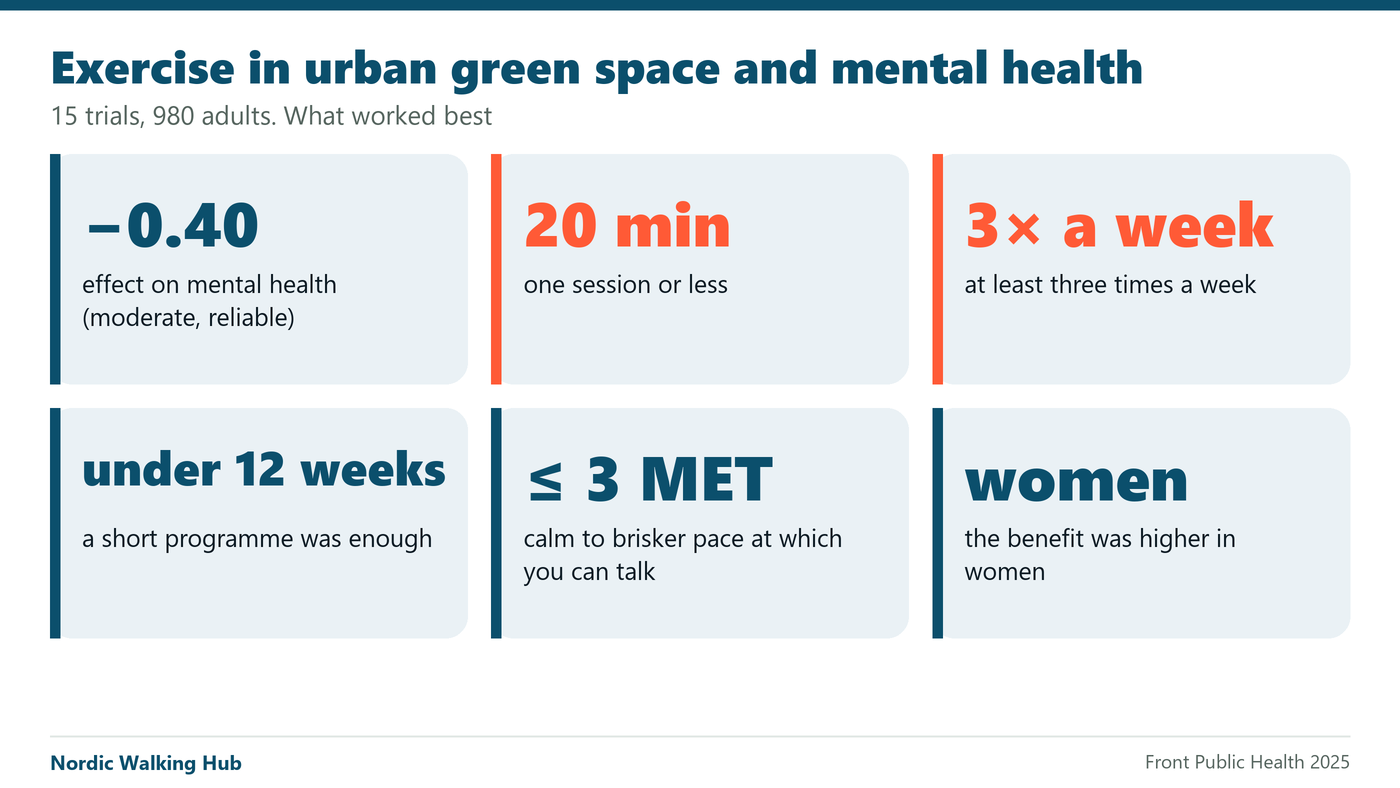
    • Exercise in urban green space had a mild, reliable favourable effect on mental health (15 trials, 980 adults).
    • Short and frequent worked best: sessions of up to 20 minutes, at least three times a week, a programme of under 12 weeks.
    • A calm to brisker pace at which you can still talk is enough.
    • For women the benefit was higher. The park does not have to be big.

    What the review did

    The authors searched five large databases and found 15 randomised trials with a total of 980 adults aged 18 and over. Everybody exercised in urban green space, that is parks and similar green areas in the city. The quality of the trials was assessed with the standard Cochrane tool. They wanted to know how exercise in green space affects mental health, and then whether it matters how long a programme lasts, how often people walk, how long one session is and how intense the exercise is.

    What the review found

    Exercise in urban green space had a mild, statistically significant favourable effect on mental health (standardised difference −0.40; interval −0.56 to −0.25). That the studies agreed with each other is also shown by the low heterogeneity, 33.9%. The largest effects were associated with:

    • shorter programmes, up to 12 weeks,
    • at least three visits a week,
    • sessions of up to 20 minutes,
    • low to moderate intensity, at most 3 METs,
    • for women the benefits were higher.

    MET is a unit that measures how demanding a movement is. One MET is rest while sitting, and three METs correspond to a calm to brisker walk. So not running and not sprinting, but walking at which you can still chat.

    Chart
    Photo from the trail

    Short and frequent wins

    The most interesting thing is what the review says about the manner: not long and exceptional, but short and often. Twenty minutes, three times a week, in green space and at a calm pace. The authors call it a model of “short duration, high frequency, moderate intensity”. For someone who has no time, that is good news: they do not need to find a big space in the calendar, a small but regular one is enough.

    Three visits a week of twenty minutes make an hour a week altogether. That is less than one long walk, and yet the review found the largest effects in precisely such programmes.

    How to read it

    The studies did not deal specifically with Nordic Walking, and “urban green space” means parks, not wilderness. The authors write that larger and better-quality trials are needed to be certain about long-term effects. A trial that lasted up to twelve weeks cannot tell us what will be after a year. The numbers show that short and frequent works better than long and rare, and that is a useful signal, even if not a final verdict.

    What it means

    It is not “either an hour or nothing”. Twenty minutes in the nearest park, ideally several times a week, is according to this review a reasonable dose. And poles turn the walk into a whole-body workout, even though this particular study did not examine that effect. The park does not have to be big: the study speaks of urban green space in general, not of vast parks.

    Try it as an experiment

    Three days a week, twenty minutes, the nearest park or grassy area. You do not have to go anywhere. In a month you will know whether it does you good. Write down, say, just one sentence: how you felt before and after. In three weeks you will see a pattern, and that is more valuable to you than any study.

    Do you have your own park, your own bench, your own twenty-minute route? Tell us in the forum where it is. For others it is inspiration for where to go.

    Frequently asked questions

    **Does it have to be a park, or is a green street enough?** The studies speak of urban green space in general. They do not say you must go to a vast park. A bit of greenery where you can walk in peace is enough.

    **What if I only have ten minutes?** The review reports the largest effects for sessions of up to twenty minutes. Ten minutes several times a week is therefore a reasonable start, and better than waiting for an hour of free time that never comes.

    **Is it better to walk alone or in a group?** The studies do not say. From what we know from other articles, a group helps persistence well, but you must choose what does you good.

    **Will it help with stress?** The review covers mental health in general: depression, anxiety, stress. It showed a mild favourable effect, but no figure is given specifically for stress.

    Photo from the trail

    Text: Kompas.
  • Paws and tips on the poles: asphalt, gravel, ice

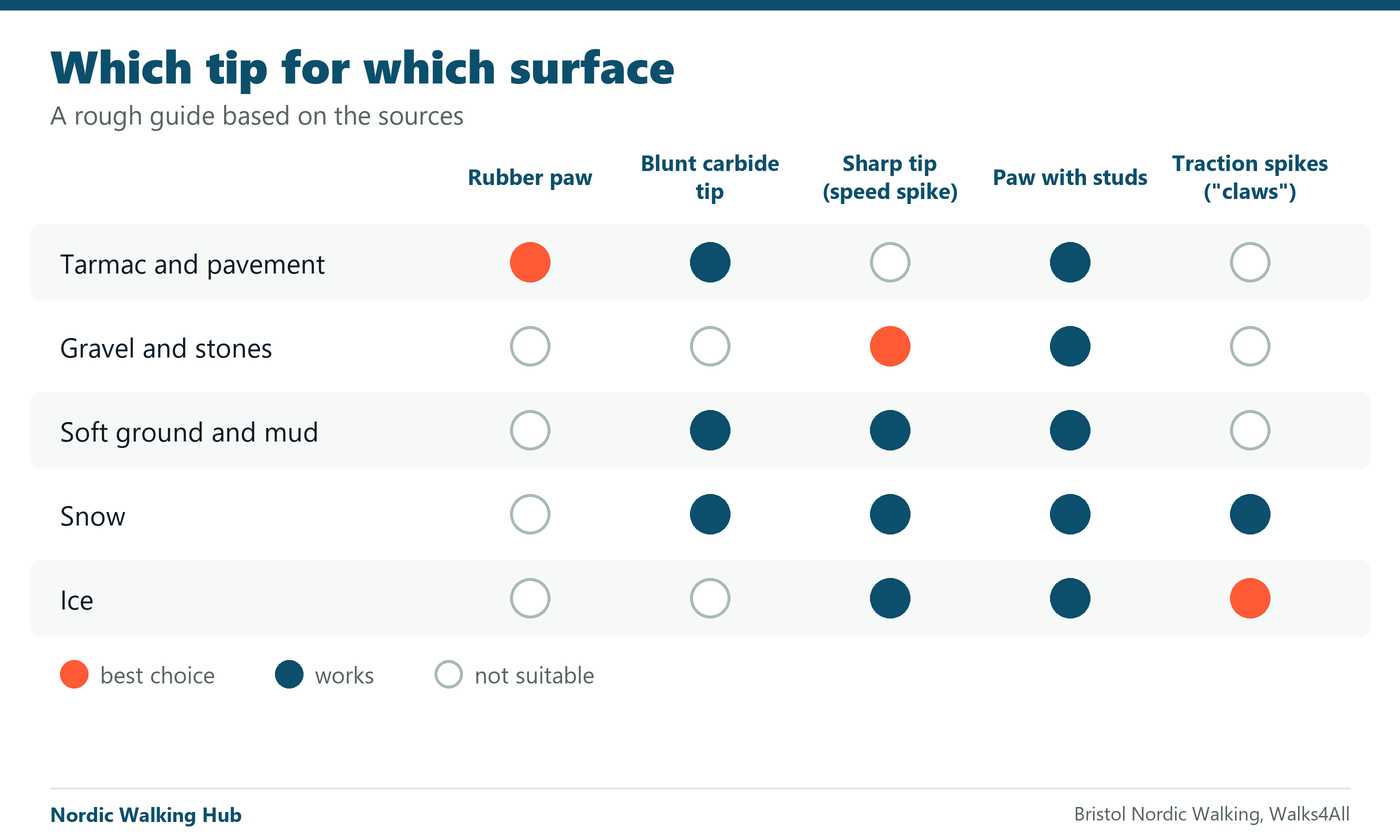
    The end of a pole is a metal tip onto which you can fit a rubber paw, sometimes called an “asphalt” paw. It seems a small thing, but this is where it is decided how walking feels on different surfaces, how loud it is and how long your poles last. Let me say it right at the start: whoever has one pair of poles and chooses well how to finish them saves themselves half the annoyance.

    Photo from the trail

    Rubber paw: pavements and tarmac

    Paws are made for hard surfaces: pavements, tarmac, paving and running tracks. They reduce noise, protect the surface and extend the life of the metal tip. There are also paws made directly for Nordic Walking, slanted and larger, which grip at the push-off on tarmac and help you forward. They have a downside too. When you go from the pavement into mud you have to take them off and put them in your pocket, and some softer paws wear down quickly on a hard surface. Rubber paws need watching: a worn one does not grip, and above all you lose the quiet you wanted to save.

    Metal tip: paths and terrain

    A carbide or tungsten tip suits stony paths, gravel, soil, snow, and climbs and descents. It bites in and holds well. There are two basic shapes: blunt, like trekking poles have, and sharp, the so-called speed spike. The blunt one works on all surfaces including tarmac, but it can slip on stones. The sharp one is great on soft ground, sand and stony tracks, but it likes to get stuck in wet mud and can damage clothing if you are careless.

    Carbide lasts a very long time. Over time it does wear, though, which is why it is worth looking at the tip now and then. A sharp tip may no longer be sharp and bites into rock less well. Should it come loose and fall out, the whole tip can be replaced, so you do not need to buy new poles for that.

    Chart
    Photo from the trail

    Ice and winter

    According to the sources, tips with pronounced teeth grip best on ice. A universal compromise for alternating paved and forest paths are tips with studs, that is a rubber paw with small metal studs set in the rubber: they have the quietness of rubber and yet a bit of the grip of metal. For ice, a frozen lake or slippery steep terrain there are also special traction spikes, so-called “claws”, screwed on in place of the ordinary tip. They only fit some pole brands, though.

    For deep snow you want baskets. These are wide flat discs just above the tip that stop the pole sinking in. For forest mud small, light ones are enough. Both are usually screwed on, just make sure they hold firmly so that you do not lose them on the way.

    The strap: the invisible hero

    Since we are talking about ends, it is fair to mention the other end too: the strap. It should fit snugly but not choke, and it transfers load to the wrist, so the hand does not have to clench. The strap matters more than you expect: a good padded strap is the difference between a walk after which your hands are relaxed and one after which you have wrung them out. In warm weather ventilated ones help, in winter neoprene ones.

    What to choose

    If you walk mainly in town and on tarmac, take paws. If you walk in woods and on field paths, the bare tip is enough. Most good poles come with both paws and tips, so you do not have to decide when you buy. You try what suits you, and decide for each walk separately. If you are not sure which tips suit your routes, ask in a group or a shop what is used where you live. The terrain is different everywhere, and the experience of local people cannot be replaced by any guide.

    Care and replacement

    After every walk rinse the tips of mud and snow so that it does not soak in. Now and then check for cracks, worn tips or loose ends. Keep spare paws at hand: they are consumables and wear down over time. And if you have poles with a telescopic part, a drop of silicone lubricant on the locks works wonders.

    Which tips do you use? Tell us in the forum what has worked on your routes.

    Frequently asked questions

    **Should I buy rubber paws, or is the bare tip enough?** If you walk mainly in town and on tarmac, take paws. If you walk in woods, the bare tip is enough. Most poles come with both, so you do not have to decide when you buy.

    **Why do my paws keep falling off?** Usually they are loose or worn. Check whether they sit on the tip, and replace them if necessary. A rubber paw is a consumable.

    **My tip is blunt. Is that a fault?** No. A blunt tip is common and works on most surfaces. A sharper one suits soft terrain and rocks, but not all paths.

    **When does a tip need replacing?** Only when it is noticeably worn or cracked, or when it slips on terrain where it used to hold. First try whether cleaning it is enough.

    Photo from the trail

    Text: Kompas.
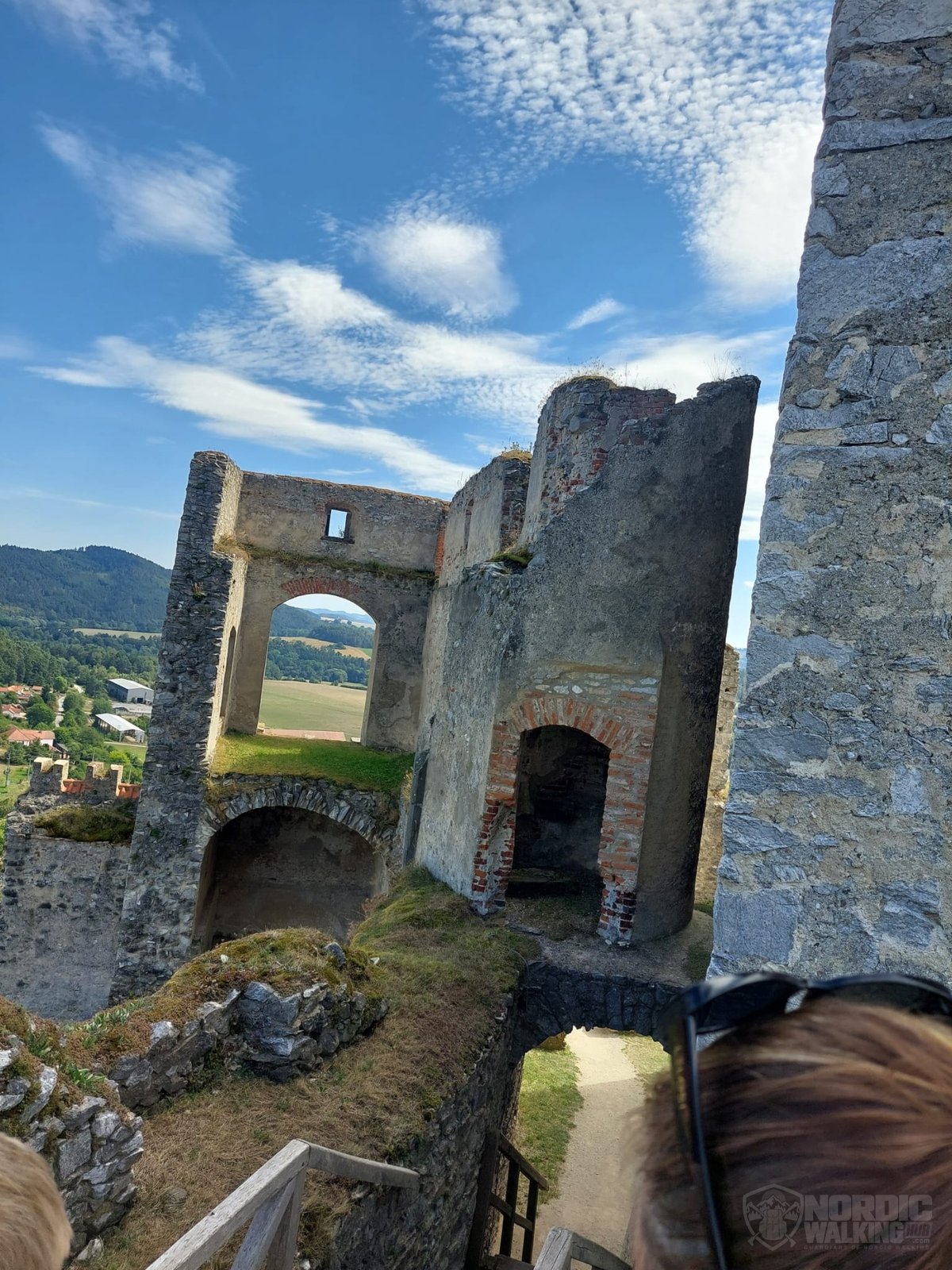
  • Nordic Walking in winter: clothing, tips and safety

    Winter is no reason to leave your poles at home. On slippery, uneven ground you will be glad to have two extra points of support in your hands. To make it pleasant, a few small adjustments help, and none of them costs much. And we say that winter is the nicest time for Nordic Walking: the silence, frost in the air and paths that nobody sees in summer.

    Photo from the trail

    In brief

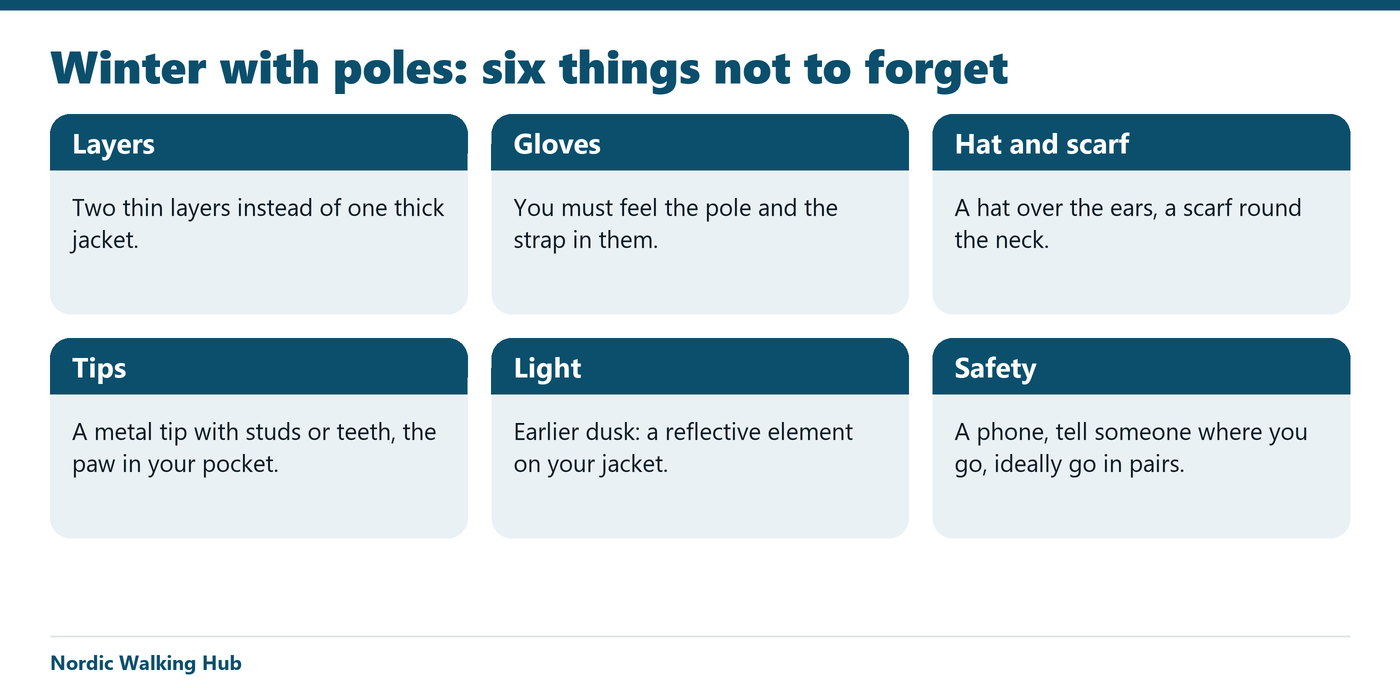
    • Two thin layers instead of one thick jacket, gloves in which you feel the pole, a hat over the ears.
    • On ice and packed snow a metal tip with studs or teeth, the paw in your pocket. Baskets for deep snow.
    • Shorten your stride, expect earlier dusk, have your phone and tell someone where you go. Ideally go in pairs.
    • Two to three walks a week of 20 to 40 minutes are enough.

    What to wear

    Try two thin layers instead of one thick jacket. When you warm up you take one off, and your arms keep moving freely. That is what matters most when walking with poles: a bulky jacket that stops you swinging your arms takes away half the joy of the movement.

    Choose gloves that let you feel the pole and the strap. If you cannot loosen your grip in them, they are too thick for Nordic Walking. And a hat that covers your ears has saved many a walk. A scarf round your neck and spare thin gloves in your pocket come in handier than you would expect.

    Tips and paws

    Rubber paws are great on tarmac but they slide on ice and packed snow. There you want a metal tip, ideally with pronounced teeth or studs, that bites into the surface. You do not need new poles: most good poles come with both paws and tips, so you simply take the paw off and put it in your pocket. When you are back on the pavement, you put it on again.

    For deeper snow baskets help, wide discs just above the tip that stop the pole sinking in. For ice there are special traction spikes too, screwed on in place of the ordinary one. More about this in the article Tips and paws.

    One warning: a sharp tip likes to get stuck in wet mud, and in winter, when snow alternates with muddy paths, that happens. Nothing dramatic, just expect it.

    Chart
    Photo from the trail

    So the walk ends well

    • On icy ground shorten your stride and walk slower. The poles help, but they do not replace caution.
    • Expect earlier dusk. A reflective element on your jacket or backpack is a simple safeguard.
    • Take your phone and tell someone where you are going. Even better, go with a friend or a group.
    • Drink in winter too. Many people forget in the frost that they sweat just as in summer.

    How long and how often

    Winter is a good time for shorter, calmer walks. Two to three walks a week of 20 to 40 minutes at an easy pace are recommended for beginners, and in winter that goes double. Do not chase the clock, the point is that you still feel like going out next time. Regularity matters more than length.

    The winter magic

    A winter walk has its own charm: the silence, frost in the air, snow creaking under your boots, and a hot tea afterwards that tastes different from the one in summer. It is worth heading out even when the sofa is calling. The hardest part is usually getting to the door. Once you are through it, the rest comes by itself.

    Do you walk in winter? Tell us in the forum which layers and tips worked for you. Your experience is worth more than any advice from a guide.

    Frequently asked questions

    **Can I walk with poles on ice in winter?** Yes, with a metal tip, ideally with studs or teeth. Shorten your stride and walk slower. Poles are a support, but they are not a guarantee.

    **How should I dress when it is minus ten?** Two thin layers and a hat. Gloves in which you can feel the pole. If it is really bitterly cold, choose a shorter walk and movement in which you warm up.

    **Is winter Nordic Walking safe?** With a sensible approach, yes. Ice and dusk are the riskiest. A reflective element, a phone and going in pairs reduce the risk.

    **Should I drink when it is cold?** Yes. In the frost a person sweats just as in summer, they just do not notice. A small sip of something warm from a flask works wonders.

    What to leave at home

    What slows you down most on the way are the things you take “just in case”. A heavy flask, five extra layers and two pairs of spare gloves turn you into a person who does not set out because it is too complicated. Take only what you really need: a thin extra layer, gloves, a phone and something warm to drink. Leave the rest at home and set out.

    A winter walk does not have to be long: half an hour after work is enough, and because of the dark you will not get far anyway. Above all, do not let it become a duty.

    Photo from the trail

    Text: Kompas.

  • Seniors and poles: where they help and where they do not (standing on one leg is not one of them)

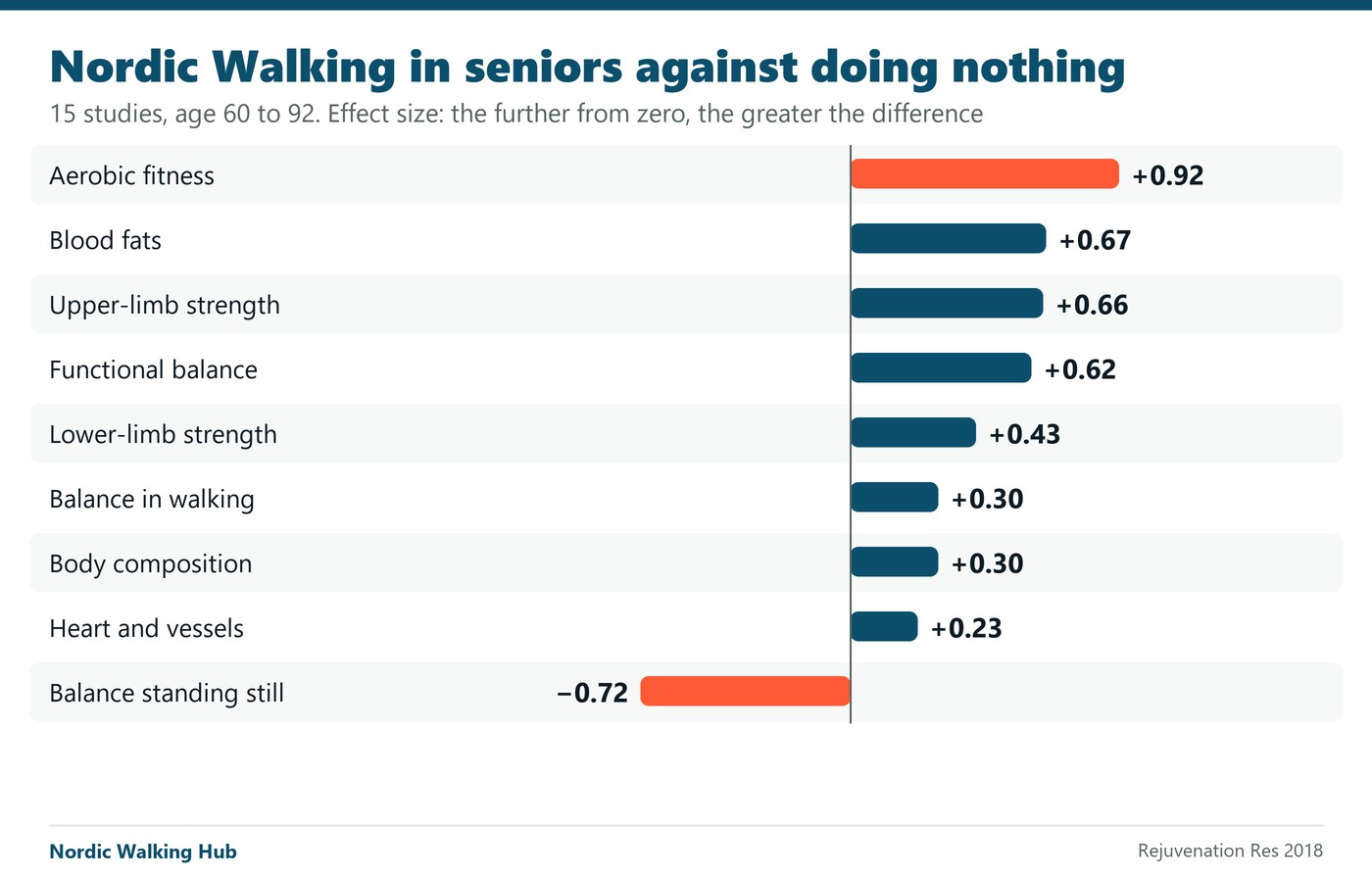
    Poles are often recommended to older people for confidence when walking. But what of that actually holds? A review that compared Nordic Walking with doing nothing, with walking without poles and with strength training gives an answer with a few pleasant surprises and one warning. Fifteen studies with people from sixty to ninety-two.

    Photo from the trail

    In brief

    • Fifteen studies, people from 60 to 92. According to the authors Nordic Walking is a safe and accessible aerobic activity for seniors.
    • Against doing nothing it improved fitness, strength, balance in walking, blood fats and quality of life.
    • Against walking without poles it improved steadiness of step and mobility, but for fitness walking without poles was better.
    • Static balance standing still rather got worse: poles train walking, not standing on one leg.

    What the review did

    The authors searched six large databases for Nordic Walking combined with age terms and chose fifteen English-language studies from scientific journals. The age of participants was 60 to 92. They wanted to know how Nordic Walking changes physical fitness, body composition and quality of life, in three comparisons: with people who do nothing, with people who walk without poles, and with people who exercise with resistance, that is strength training. The numbers are effect sizes: the further from zero, the greater the difference.

    Against doing nothing

    Compared with an inactive group, Nordic Walking improved:

    • aerobic fitness (0.92),
    • strength of the upper (0.66) and lower limbs (0.43),
    • balance in walking (0.30) and functional balance (0.62),
    • blood fats (0.67), body composition (0.30) and heart and blood vessels (0.23).

    Aerobic fitness came out highest, and that makes sense: walking with poles means more muscles engaged, and so more work for the heart and lungs. Strength of the upper limbs is a welcome bonus for seniors who do not otherwise load their arms much.

    Chart
    Photo from the trail

    Against walking without poles

    Compared with walking without poles, Nordic Walking improved balance in walking (0.30), flexibility of the lower half of the body (0.47) and quality of life (0.53). Walking without poles was better in aerobic fitness (−0.21). In other words: poles help you with steady steps and with mobility, but for breath and heart, faster walking without them gives you more.

    Against strength training

    The comparison with strength training is interesting. Compared with it, Nordic Walking improved balance in walking (0.33), strength of the lower half of the body (0.39), aerobic fitness (0.75), mobility of the upper half of the body (0.41) and quality of life (0.93). Quality of life came out highest of the whole review. That is important: for a person who would never sign up for a gym, walking with poles is a way out, among people and into fresh air.

    An interesting extra result

    Balance standing in place, that is static balance, rather got worse after Nordic Walking compared with the inactive group (−0.72). The authors do not explain it. It makes sense to remember it, though: poles train walking, not standing on one leg. When a person learns to rely on poles, standing without them may go worse.

    What it means

    The authors call Nordic Walking a safe and accessible aerobic activity for seniors. If you feel unsteady standing, practise balance separately, for example by brushing your teeth on one leg next to a firm support. That is our advice, not the review’s conclusion, but it follows from what the numbers showed.

    The numbers in the review are averages, but you are a particular person. If after a few weeks you feel steadier on stairs, in a shop or on a slippery pavement, that is the best yardstick you have, and no study can take it from you.

    Are you over sixty and walk with poles? Tell us in the forum what walking has given you and what surprised you. Older walkers are most welcome with us.

    Frequently asked questions

    **Is Nordic Walking for people in their eighties?** The review included people from 60 to 92. The authors call Nordic Walking a safe and accessible aerobic activity for seniors. For someone in their eighties, though, walks at their own pace and on their own terrain are decisive.

    **Will poles help against falls?** The review did not measure that directly. Balance in walking improved, but static balance standing still got worse. So poles help you walk, not stand. If you are afraid of falls, practise balance separately.

    **Should I rather walk with poles, or walk fast without them?** It depends on the goal. For breath and heart, brisk walking without poles is better. For steady steps, mobility and quality of life, poles are better. And for someone who does not dare walk fast, poles are often a way to move at all.

    **Is it better than a gym?** In the review Nordic Walking came out better than strength training in quality of life. But that does not mean you should not do strength training. The two complement each other.

    Photo from the trail

    Text: Kompas.
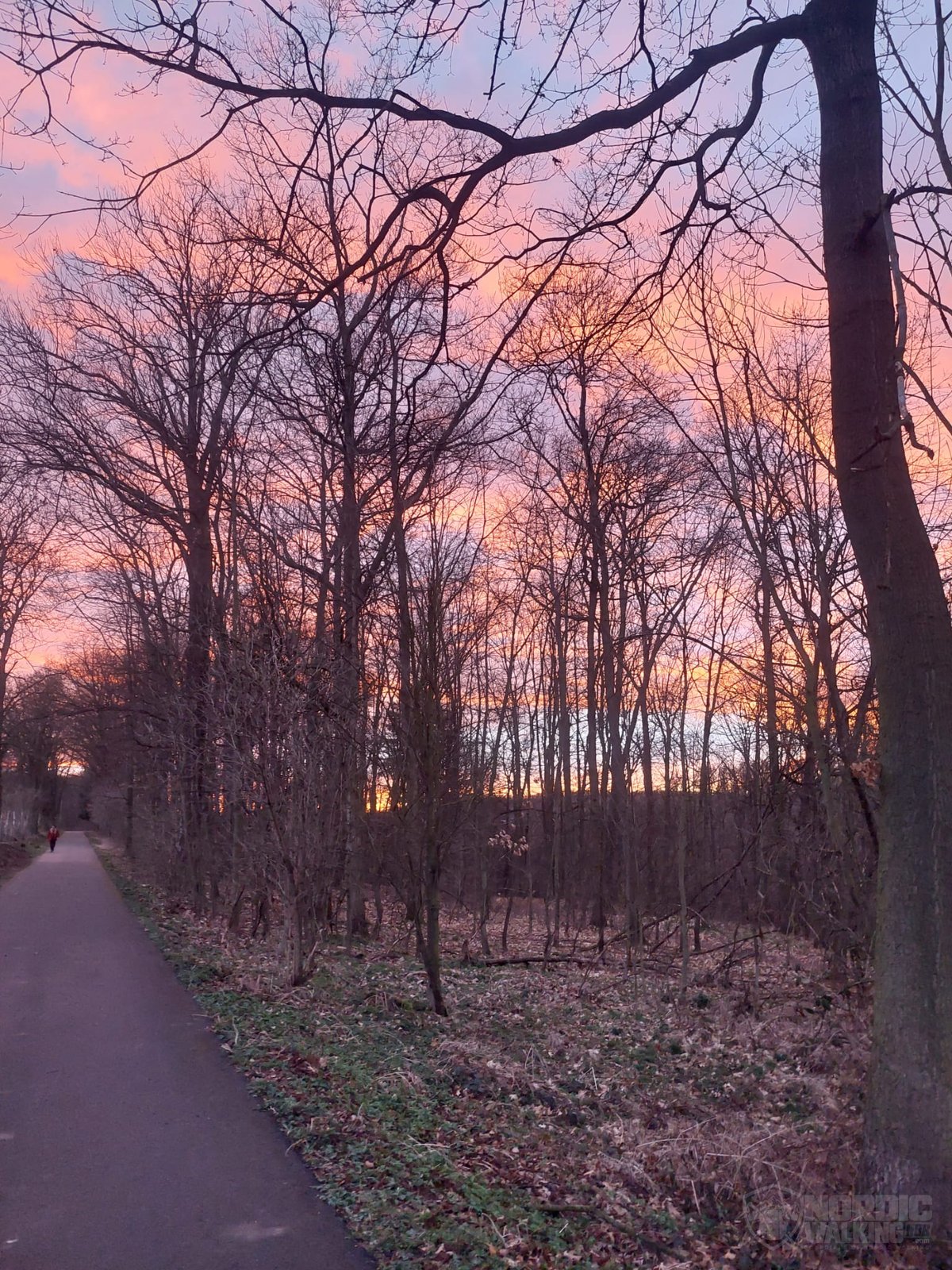
  • Does Nordic Walking spare your knees? The evidence is mixed

    One of the most common claims is that poles relieve the knees. You hear it from sellers and from friends, and it sounds logical: poles do carry something. Is it true? The answer is more cautious than you would expect, and without surprises: the evidence is mixed.

    Photo from the trail

    Walking on level ground

    Studies that measured the load on the knee joint found no difference in compressive or shear forces between Nordic Walking and walking without poles on level ground. Work on ground reaction forces, that is the force with which the ground pushes you back at each footfall, also does not confirm that Nordic Walking technique reduces the load. In one study a drop in reaction force of at least 8% was found in the mid-stance phase, but elsewhere the rate of load increase went up.

    In other words: when you walk on level ground, the knees see no miracle in the numbers. Poles may give you a different feeling of walking, but the measurements have not confirmed it so far.

    Walking downhill

    Here the evidence is more favourable: for trekking poles, not directly for Nordic Walking, studies report on a 25° descent a reduction in knee load of roughly 10–16%. On a descent the poles really can be used as support and the knees get a rest.

    What it means

    We do not reliably know yet that Nordic Walking spares the knees. We cannot promise it to you. We know that on descents poles can help, and that on level ground nothing fundamental changes. If your knees hurt, it matters all the more how you use the poles and on what terrain.

    How is it for you? Tell us in the forum whether poles relieve you on descents, or whether you feel nothing on the flat. Your experience does not replace measurement, but it shows where to look.

    What you can try: if you want to find out what poles do to your knees, walk two identical routes, one with poles and one without, and notice how you feel on descents and on level ground. Your body is the best measuring instrument you have, though not the most precise. And the answer that holds for you matters more to you than an average from studies.

    Knees are among the most heavily loaded joints and nobody wants to promise what cannot be kept. That is why it is better to know what is known: on the flat nothing fundamental changes, on descents poles help. From that a practical piece of advice follows: on descents use the poles as support points, not as crutches, and go slowly.

    Photo from the trail

    What to take away

    The evidence on knees is mixed, so we make no big promises. The practical conclusion: if poles help you take the load off your legs going downhill or on stairs, use them. If the knee hurts anyway, do not force yourself, and get advice from someone who knows it.

    Do you have your own experience with knees, good or bad? Share it in the forum: one person’s story does not replace a study, but it helps others decide.

    Sources

    Text: Kompas.
  • What is Nordic Walking and where does it come from

    Nordic Walking is brisk walking with two special poles. The poles point diagonally backwards, are planted at each step roughly level with your foot, and by pushing off behind the body they engage not only the legs but also the shoulders, arms and trunk. So it is not a “stroll with sticks” but a full-value sport that a person of any age can manage.

    Photo from the trail

    What it looks like in practice

    When you look at someone from a distance, you recognise it by the rhythm: right foot forward, left arm forward, and the pole clicks on the ground once with each step. The walk is smooth, the stride longer than usual and the arms move freely. You do not have to hurry, you set the pace yourself.

    Where it came from

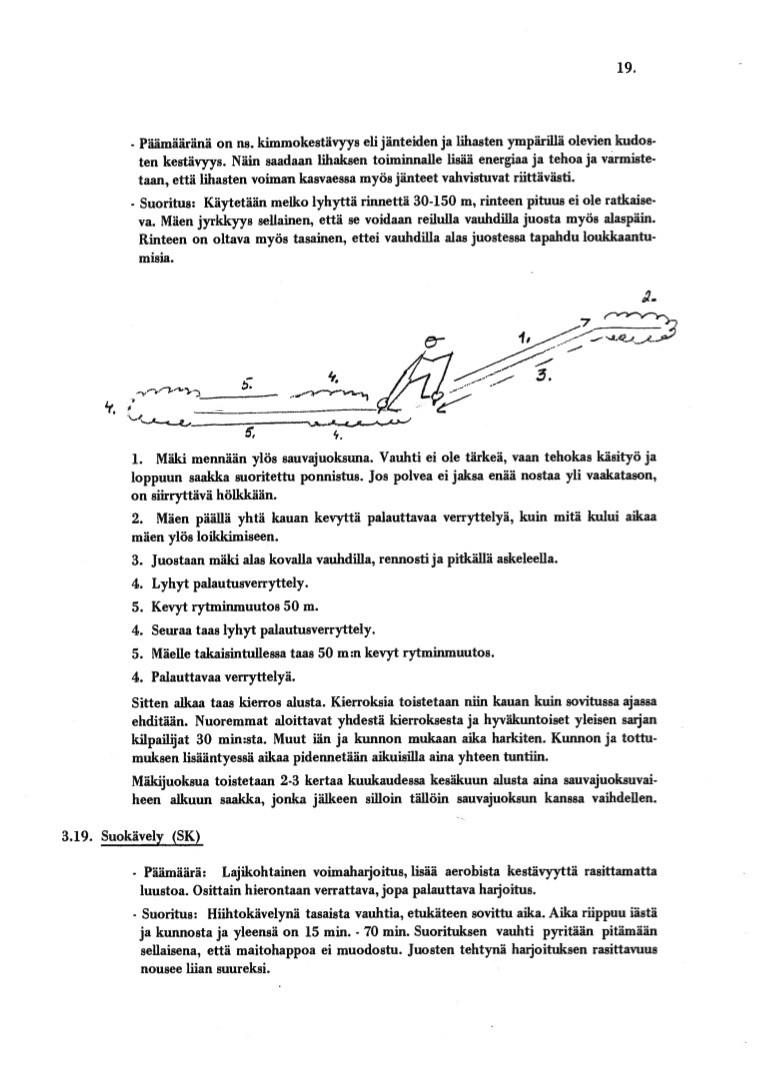
    According to available descriptions it arose in Finland from the summer dry-land training of cross-country skiers with ski poles. According to Wikipedia the Finnish coach Mauri Repo described it as early as 1979 as part of the methodology of cross-country skiing. The first poles intended directly for fitness walking were made in 1988 by the American company Exerstrider, the Finnish company Exel introduced its own poles in 1997 and, according to the same source, spread the name “Nordic Walking” in 1999. The sources differ in detail, so we do not give an exact date of “invention”.

    From coach Mauri Repo's teaching material, 1979.
    From coach Mauri Repo’s teaching material, 1979.

    How it differs from walking with trekking poles

    Nordic Walking has its own technique: the poles point diagonally backwards, the hand holds the handle at the push-off and then releases it into the strap. Trekking poles serve mainly as support and for stability, not for an active push. If you have seen people with poles in the mountains, they need not have been Nordic Walkers, and vice versa.

    Who can do it

    A person of any age can manage Nordic Walking. In an international study from 2025 the youngest walker was 18 and the oldest 94, the average was 55. More in the article Who walks with poles. You are neither too old nor too young for it.

    Why we write about it

    On this portal we take Nordic Walking seriously. What we know about it we base on studies and sources, and where we are not sure we say that we do not know yet. We are interested in how to walk with poles correctly, which poles to choose, what research says and where to find others who walk.

    If you are just starting, have a look at the article How to start: the first week with poles. If you already walk, tell us in the forum how you came to it.

    Photo from the trail

    What to take away

    Nordic Walking is walking with poles that involves the whole body, and you do not have to be an athlete to do it. Good news for beginners: the technique can be learned in a few walks and you set the pace yourself. There is no hurry, and nothing is spoiled if the first week is slow.

    And you? Had you heard of Nordic Walking before you first saw it with your own eyes? Tell us in the forum who brought you to the poles, or whether you are still hesitating.

    Sources

    Text: Kompas.
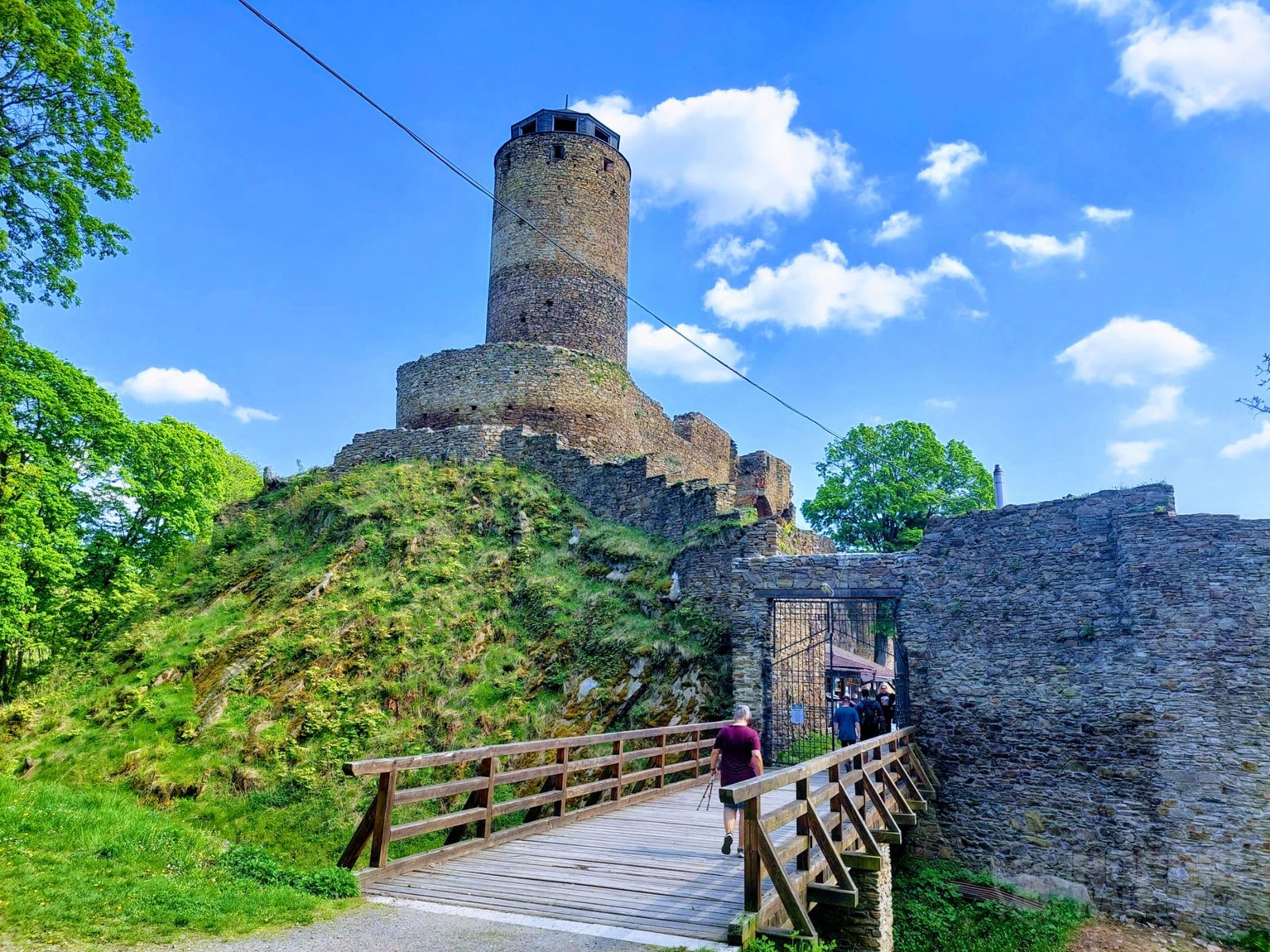
  • Does your neck hurt from the computer? A small trial with poles and strength training

    More than half of adults had neck pain in the last six months. Sedentary work at a computer makes it worse: head forward, shoulders up, back in an arch, and that for eight hours. Will poles help, or is it just another piece of advice that sounds good? A small trial from Norway gave a fairly interesting answer.

    Photo from the trail

    In brief

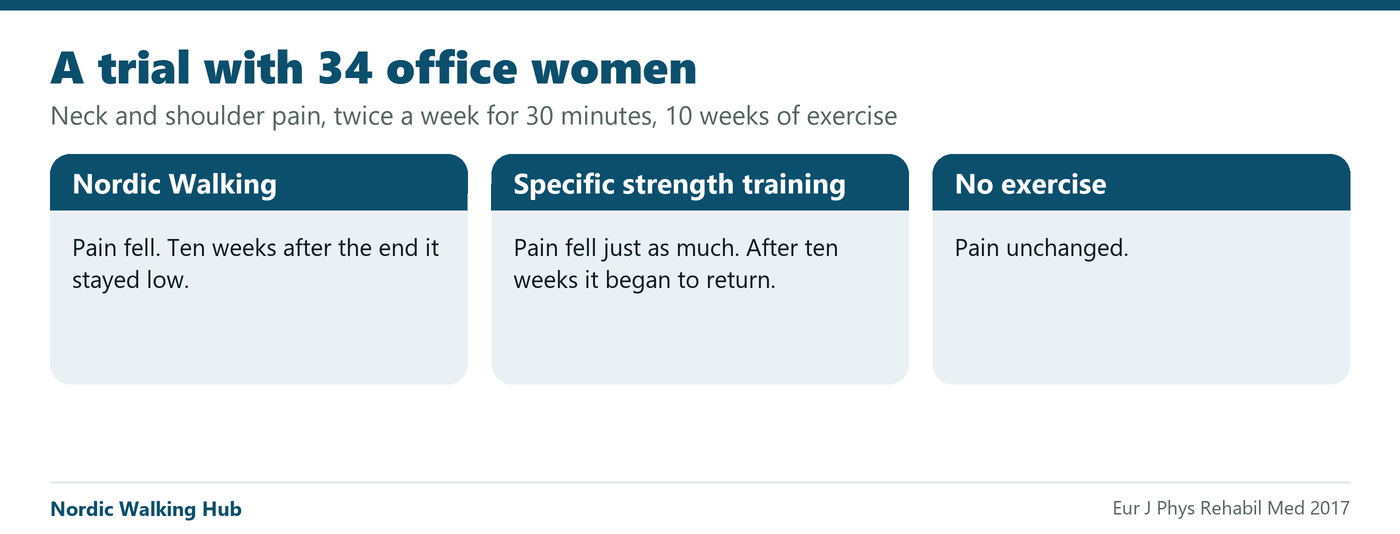
    • A pilot trial, 34 office women with neck and shoulder pain, ten weeks, twice a week for 30 minutes.
    • Nordic Walking reduced pain as much as specific strength training. Without exercise the pain did not change.
    • After the end the pain stayed low in the walkers and began to return in the strength group.
    • It is a small trial. It does not say that poles cure the neck, it says that half an hour of movement twice a week appeared useful.

    Why the neck hurts

    A sedentary job is the enemy of the neck and shoulders. The muscles around the neck hold a head that weighs several kilograms, and when you sit motionless for hours they tire and stiffen. That specific strength training of the muscles in the neck and shoulder area relieves pain is already known. Less studied was movement that rather stretches and perfuses the muscles than loads them.

    What the trial did

    Norwegian authors divided 34 office women with neck and shoulder pain by lot into three groups: Nordic Walking, specific strength training and no exercise. Both exercising groups exercised twice a week for 30 minutes over ten weeks. So no marathons, but what can be fitted in even alongside work.

    Several things were measured: pain intensity on a scale from 0 to 100 millimetres, strength in raising the arm to the side and performance in the six-minute walk test. All before the programme, after it and again ten weeks after it ended.

    Chart
    Photo from the trail

    Results

    • In both exercising groups pain fell similarly and significantly.
    • In the control group pain did not change.
    • Over a further ten weeks the pain in the pole walkers stayed the same, and in the strength group it came back (not significantly).
    • Strength and performance in the six-minute walk test did not change.

    It is interesting that walking with poles came out as good as specific strength training of the neck and shoulders. Strength training requires someone to teach the exercises and the person to do them correctly, whereas walking with poles is simpler. And one detail deserves attention: in the walkers the pain stayed low after the programme ended, while in the strength group it began to return. It is a small difference and statistically not significant, but it shows a direction.

    How to read it

    It is a pilot trial, small, with one group of people, and the authors themselves ask for larger studies. It does not say that poles “cure” the neck. It says that half an hour of movement twice a week appeared useful and that walking was as good as strength training. The women in the trial were office workers with low-intensity pain, so the result applies mainly to people in a similar situation. The fact that neither strength nor performance changed should warn us against exaggeration: it is not about training, it is about getting the body moving again.

    What it means

    Anyone who sits at a monitor all day has a good reason to head out for half an hour with poles. The shoulders loosen while walking, the head comes up and the eyes look somewhere other than a screen. The trial did not measure that last part, but it sounds reasonable.

    How to do it in practice: half an hour twice a week is nothing that cannot be fitted into a week, say in a lunch break, after work or at the weekend. The trial did it at fixed times, and that may be the main thing. Write down two days in advance and treat them as a meeting you do not cancel. You can simply take the poles to the office.

    Do you work at a computer and does your neck hurt? Tell us in the forum what helps you, whether it works or not. More heads know more.

    Frequently asked questions

    **Is it enough to walk with poles, or do I have to strengthen too?** In the trial Nordic Walking came out as good as specific strength training. But strength training requires someone to teach the exercises. Walking with poles is simpler to begin with. Ideally do both, if you enjoy both.

    **How often?** In the trial twice a week for thirty minutes. That is a piece that can be fitted even into a hectic week. A fixed appointment helps more than a good intention.

    **Is it only for women?** The trial concerned office women, because they were the ones with pain. It does not mean men have no claim, the study just did not focus on them.

    **What if the pain persists?** Nordic Walking is not a medicine and nobody sells it as one. If the pain persists even after months of regular movement, try adding strength training, which worked just as well in the trial.

    Photo from the trail

    Text: Kompas.

  • “Where are your skis?” Eight answers to try (and one to avoid)

    Whoever walks with poles on a dry pavement will sooner or later hear: “Where are your skis?” It need not be ill will, often it is just curiosity or an attempt at a joke. Still, it helps to have an answer ready, whether you want to defuse, explain or just have fun. Here are eight ideas, and everything that is worth knowing about that question.

    Photo from the trail

    In brief

    • The question “Where are your skis?” is not silly: Nordic Walking really did begin as summer training for skiers.
    • A good answer is true, short and comes with a smile.
    • Whoever asks out of curiosity will appreciate a lent pole. Whoever asks out of spite loses interest when nothing surprises them except your good mood.
    • Answering with an insult makes no sense. Your walk matters more than their joke.

    Why people ask

    Poles look like ski poles, so the first thing that comes to people’s minds is skis. Nordic Walking really did begin as summer training for skiers, so the question is not as silly as it sounds. More about that in the article Where poles came from. The good news: whoever asks usually does not want an argument. They want to say something, and you have a say in how it turns out.

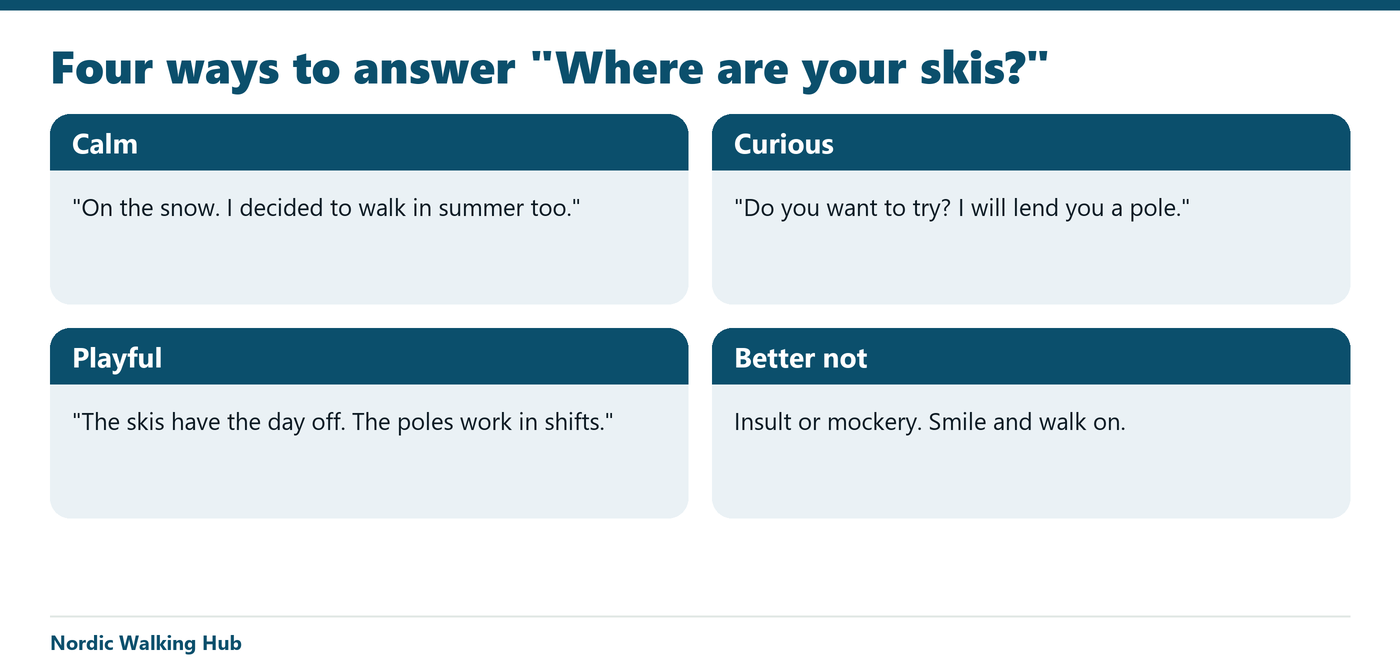
    Calm

    • “On the snow. I decided to walk in summer too.”
    • “I leave them at home so they can rest.”
    • “Thank you for your interest, this is Nordic Walking.”

    Calm answers work best when you are not in the mood for a long conversation. You say them with a smile and walk on. Nobody feels lectured and you do not lose your pace.

    Curious

    • “Do you want to try? I will lend you one pole and you will see for yourself.”
    • “It is a sport from Finland, where people trained with poles even without snow.”

    Curious answers are for moments when the person is really asking. One question can make a new walker. Lending a pole for twenty metres is the best invitation there is: on your own hands you can feel the difference from ordinary walking right after the first steps.

    Chart
    Photo from the trail

    Playful

    • “The skis are in the car park, but this path is too skiable.”
    • “The skis have the day off. The poles work in shifts.”
    • “I ordered the snow, it has not arrived yet.”

    Playful ones are for good mood. If you laugh together, you have won: the mocker turns into a teammate and next time waves at you himself.

    When you cannot brush it off

    It may happen that someone addresses you a third time with the same joke. No harm done. Smile the third time just as you did the first, and walk on. The poles are longer than their patience.

    If the remark is really unpleasant, a short “Have a nice day” and walking on is enough. You do not have to convince anyone. The walk is yours, nobody else’s.

    One we would rather you skip

    Answering with an insult or mockery makes no sense. The person who asks may not know that this is a sport in its own right. And more than the answer, what counts is that you walk on. Your walk matters more than their joke.

    What to take from it

    The best answer is not the cleverest one but the one you say with a smile. Poles are visible on the street and people simply comment on them. It is the price of being seen, and of perhaps making someone think for the first time that they might try it themselves.

    And you?

    On the front page there is a poll on how many times you have heard that sentence. Write your best answer in the forum. With your permission we will use it in the next article.

    How to answer in different situations

    **From a stranger on the pavement.** A short and friendly answer is enough here. Nobody expects a lecture, and neither do you. “On the snow, this is my training”, said with a smile, is plenty.

    **From a friend or a neighbour.** They may be funnier, and so can you. Do not try to convince them with words, invite them for a walk. Twenty minutes with poles will teach them more than ten explanations.

    **From a child.** Children ask seriously and deserve an answer. “These are poles for walking, not for skiing. Do you want to try?” is better than a joke, because the child understands that you answered them. And they may ask for a pole.

    How to prepare your own answer

    A good answer has three things: it is true, it is short and it comes with a smile. True means you say nothing you could not repeat. Short means it fits into the two seconds before the passer-by walks on. And with a smile means the listener does not feel they are being defended against.

    If you are in no mood for anything, a nod is enough. Nobody forces you to debate poles on every corner.

    Why have an answer ready

    The worst answers are the ones that occur to you two hours later. If you prepare one sentence in advance, you can say it without thinking and have a smile left over. Pick from the eight ideas above the one that suits you, and repeat it. After the third use it will sound as if it had just occurred to you.

    Photo from the trail

    Text: Kompas.
Advertisement
Space for your advertisement

Your advertising helps us enormously. Thank you.
Want to be here? Write to us
Advertisement
Space for your advertisement

Your advertising helps us enormously. Thank you.

Want to be here? Write to us